In a recent article for Grantmakers in Health, Rick Ybarra, senior program officer at the Hogg Foundation, explores how philanthropy can contribute to supporting and building a stronger, more robust, and durable nonprofit sector.
Philanthropy has forever espoused the term “sustainability.” We ask in grant applications and in our conversations with grant partners: “What’s your sustainability plan?” and “How do you plan to sustain your program once the grant ends?” Read more…


Digital Well-being for Youth
Exploring how young people navigate our increasingly networked world and how we balance safety, empathy, and technology in response.
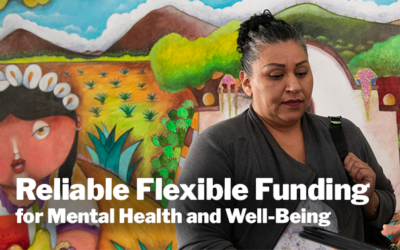
Hogg Foundation Awards Reliable, Flexible Funding to Strengthen Capacity of Historically Under-Resourced Mental Health Organizations
The Hogg Foundation for Mental Health is excited to announce the 2024 recipients of the Reliable Flexible Funding for Mental health and Well-being (RFF) grants. The foundation will invest $5 million over 5 years in reliable, flexible funding to multiple...

Thrauma: From Surviving to Thriving
This blog post was guest authored by Sandra Smith, PhD, vice president of Via Hope. She is a Certified Peer Recovery Support Specialist and a Certified Reentry Peer Specialist. At PeerFest 2024 she will be presenting the session, “Creating Trauma Responsive Reentry...

Honoring a Mental Health Pioneer
We’re featuring an archival interview with Dr. Melvin Sikes, founder of UT Austin’s Center for Improvement of Intergroup Relations.
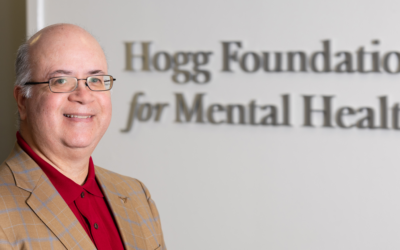
Policy Academy and Policy Fellows: Learning from the Past to Serve the Future
We are piloting a state-level focus on children, youth and family mental health, with a focus on Central Texas.
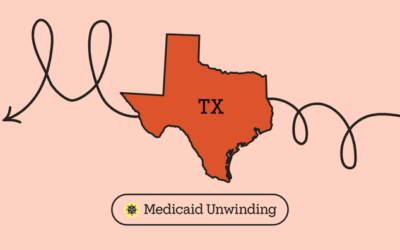
The Behavioral Health Effects of the Medicaid Unwinding in Texas
Because Medicaid is the largest payer of mental health and substance use care in the nation, Texans with mental health or substance use conditions who may lose coverage during this unwinding–erroneously or correctly–will lose out on life-saving care