
In the aftermath of extreme flooding and extensive property damage during the summer of 2025, many residents of Burnet and Llano counties found themselves in urgent need of safe housing.
In this episode of Into the Fold, we speak with Dawn Capra, Director of Housing Advocacy at the Texas Housing Foundation. She describes how well-coordinated and respectful cooperation between community organizations supported both the logistical needs and emotional well-being of displaced residents.
Emergency Response
“The first thing we did was ensure people were placed in a safe environment,” says Dawn. “It was all about getting people to safety, which in general meant placing people in motel rooms to get them out of danger.”
The Texas Housing Foundation (THF) then worked to find stable, temporary housing for people impacted by the floods. Their ultimate goal was to find ways to get people back into their original homes or provide them with a new residential RV.
Restoring stable housing played a central role in addressing uncertainty and increased emotional stress. But the recovery efforts went beyond logistics. It also aimed to restore dignity and hope to people experiencing potentially overwhelming stress, by recognizing the need for mental health support as well as housing support.
“This flood really put a spotlight on how much housing affects your mental health if you suddenly find yourself without it,” says Dawn. “We realized that people weren’t just displayed displaced physically, but also emotionally.”
Emotional Impact
“Although we weren’t mental health professionals, we could see the trauma. It caused life-changing alterations and fear,” says Dawn. “Some people lost everything. They didn’t know what their next steps were going to be. And frankly, they were just in shock.”
While they aimed to be a calm and confident source of stability as they responded to people’s housing needs, they realized they couldn’t do it alone.
They coordinated with other community service organizations, including the local mental health authority, Bluebonnet Trails, to refer people in crisis to more comprehensive mental health services.
Community Coordination
Coordination among community relief organizations ensured a wide range of needs were addressed as efficiently as possible in the aftermath of the flooding. An essential first step was establishing a central entry point for individuals seeking a wide variety of recovery services. The Ark of Highland Lakes (ARK), a local faith-based organization with an “army of volunteers” took on this role.
“People impacted by the floods started out at the Ark. They would be directed to the resource provider they needed most urgently, which generally was THF to get temporary housing or emergency shelter,” says Dawn. “From THF, they would be directed to the Salvation Army or other resource providers to get financial assistance or food or anything else.”
In rural communities, says Dawn, it’s essential to build trust and strong relationships among service organizations, faith-based organizations, and individuals.
“There’s just not enough money out in rural areas to provide the help that urban centers like Austin, San Antonio, or Dallas can provide. Over the years, we’ve developed relationships that made it possible for us to meet this demand. Cooperation made the recovery possible,” says Dawn. “And acknowledging each other’s areas of expertise helped the recovery go smoother than had we not respected each other’s boundaries.”
Indeed, THF is now expanding its focus on building relationships with other community organizations.
“Coalition building ahead of time is huge, even in times when there’s not a disaster,” says Dawn. “We got mentally, physically, emotionally exhausted, but we had each other to rely on.”

Communities of Care Profiles
The Communities of Care initiative represents a transformative effort aimed at enhancing mental health and community resilience, particularly focused on children, youth, and families.
2024 Stephany June Bryan Bold Spirit of Achievement Scholarships
We’re happy to announce we have awarded ten $5,000 scholarships in honor of Stephany June Bryan.
Hogg Foundation Welcomes Back the Texas Grants Resource Center
The Hogg Foundation for Mental Health welcomes back the Texas Grants Resource Center, formerly known as the Regional Foundation Library, at the University of Texas at Austin.

Transforming Lives at the Border: How a Rural Library in San Elizario is Changing the Game
An example of how one rural library is making a tangible difference in a small rural border community by prioritizing people and harnessing existing community assets.
From Struggle to Strength: Exploring Journeys to Recovery
In recognition of National Recovery Month, we talk to two friends from within the Hogg Foundation’s wide network of changemakers.
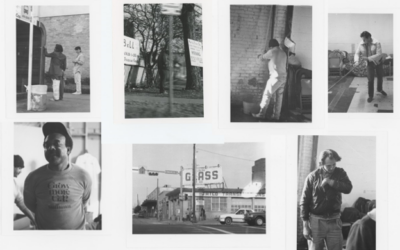
Hogg and Homelessness: Hogg Foundation Programs Assisting Unhoused Texans, 1984-2024
As the landscape for people experiencing homelessness has changed, so too has the Hogg Foundation’s work to support the mental wellness of individuals, including those experiencing homelessness.