In a recent article for Grantmakers in Health, Rick Ybarra, senior program officer at the Hogg Foundation, explores how philanthropy can contribute to supporting and building a stronger, more robust, and durable nonprofit sector.
Philanthropy has forever espoused the term “sustainability.” We ask in grant applications and in our conversations with grant partners: “What’s your sustainability plan?” and “How do you plan to sustain your program once the grant ends?” Read more…

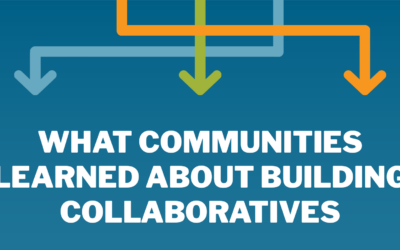
Infographic: What Communities Learned About Building Collaboratives
Lessons learned about what helps community collaboratives take root and thrive in rural communities.
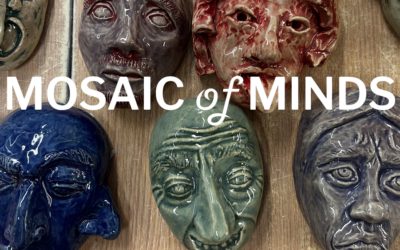
Mosaic of Minds: Mental Health Awareness Through the Visual Arts
In the fall of 2025, the Hogg Foundation awarded a $14,000 grant to Austin Independent School District (AISD) to promote mental health awareness through public art. Over the course of the academic year, students and art educators at the McCallum High School Fine Arts...
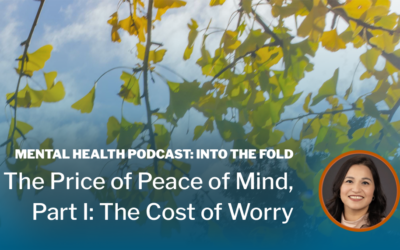
The Price of Peace of Mind, Part 1: The Cost of Worry
Joining us on the podcast today is Ciara Garcia, a 2026 recipient of the Stephany June Bryan Scholarship. Ciara is a mother of four and a student pursuing a career in mental health. Her path through higher education has been shaped by caregiving, work, financial pressures, and her own lived experience with mental health challenges.
October 2026 Staff Highlights
Here’s a snapshot of the presentations made, events hosted, and honors received by the talented and dedicated staff of the Hogg Foundation during the month of October 2026.

The Hogg Foundation Awards $598,000 to Support Public Libraries in Strengthening the Mental Health and Well-Being of Their Communities
The Libraries Supporting Community Mental Health initiative will provide grants to 13 public libraries in Texas to strengthen the mental health and well-being of communities by supporting their current community partnerships and establishing new connections.
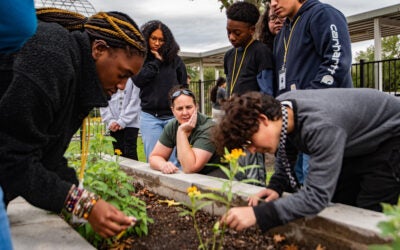
What Test Scores Don’t Measure
As the Austin Independent School District wrestles with the possibility of state intervention in its own schools, academic performance should be weighed alongside student well-being and whether students feel supported.