
Trust is the foundation of every system that is supposed to support us—schools, hospitals, mental health services, and even the justice system. But for many communities, that trust has been broken again and again.
In this episode of Into the Fold, host Ike Evans talks with two advocates working to repair that trust: Andrew Hairston, education justice director at Texas Appleseed, and Yulissa Chavez, public policy specialist fellow at the Coalition of Texans with Disabilities. Together, they help us understand how trust gets broken, why it matters, and what it takes to rebuild it.
How Trust Breaks Down
Andrew and Yulissa agree that trust is often broken when systems fail to live up to their promises. Sometimes, people ask for help or fairness and are ignored. Other times, history shows us that communities have faced harm even when the system claimed to be doing the right thing.
Yulissa shares an example from 1956 that still echoes today. In Hernandez v. Driscoll, Mexican American first graders in Texas were held back in school simply because they spoke Spanish.
“The expectation was, okay, we’re going to desegregate – and then what happens?” she says. Instead of equal opportunity, the status quo continued in a different form.
Andrew adds that even today, people’s real experiences are often dismissed during lawmaking. He describes recent legislative work where communities shared their stories openly and honestly, only to be ignored.
“Their experiences are ignored, and these awful policies are rammed through,” he says. This leaves people feeling unheard and distrustful.
What It Looks Like When Trust Is Lost
When young people lose trust, it affects how they move through the world. Andrew sees this firsthand. He describes a boy at his church in East Austin—bright, curious, and aware of the challenges around him. Because he sees his mother underpaid and his community overlooked, he is skeptical of the systems meant to support him. But when given a chance to lead, this young boy shows “brilliance and commitment,” reminding us that distrust often grows from real experiences of injustice—not from a lack of ability or desire.
For disabled people, distrust shows up in everyday interactions. Yulissa recalls an airport worker saying, “But you’re a healthy young woman, you don’t have a disability,” after she disclosed her condition. She explains how often people talk to someone’s companion instead of the disabled person themselves, treating them as less capable.
“Don’t make assumptions,” she says. “Talk to me directly.”
These moments send a harmful message: you aren’t seen, and you aren’t respected.
What Repair Requires
Repairing trust takes more than apologies or good intentions. It takes accountability, action, and consequences.
Yulissa describes the 2018 investigation into Texas’ illegal cap on special education services. Families were harmed for years, and the repair process involved not only a formal apology but also real efforts to hire and support more special education teachers.
“It’s not enough to say you’re sorry and then move on,” she says. “You have to hold yourself accountable.”
Andrew agrees. He believes that consequences should match the harm, especially when that harm is economic. Repair also requires honesty—not just about what happened, but about how systems can truly change. He quotes organizer Grace Lee Boggs, who said, “You have to change yourself to change the world,” reminding us that repair is both personal and collective.
Where Hope Comes From
Despite the challenges, both guests find hope in the people working to create change. Yulissa finds inspiration in heroic changemakers from the past, as well as young people today who are raising their voices and getting involved.
“Why do harm when you can do good?” she asks. “Good is sustainable.”
Andrew finds hope in the young people he works with through Texas Appleseed’s Education Justice Youth Fellowship. He tells the story of Adrian, a teacher who once struggled in school but was lifted up by a mentor who believed in him. Now, Adrian is using his lived experience to shape policy and speak for students facing the same challenges he once did.
Building Toward a Better Future
Rebuilding trust requires more than individual effort. It takes systems that truly listen to and share power with the people most affected by their decisions. Across Texas, people like Yulissa and Andrew are imagining and building systems that honor dignity, respect lived experience, and repair harm—not just for today, but for generations to come.
As Yulissa puts it, “The person that is closest to the problem has the closest solution.”

The Purpose of Policy Work in a Divisive Time
Alison Mohr Boleware, LMSW, director of policy at the Hogg Foundation, and Lyssette Galvan, policy director for National Alliance on Mental Illness Texas, share insights on navigating the challenges and complexities of their work in the mental health policy field.

World Mental Health Day: Prioritizing Mental Health in the Workplace
A conversation with Dr. Ryan Sutton, associate professor in the department of educational psychology at the University of Texas at Austin and former post-doctoral fellow at the Hogg Foundation, on mental health in the workplace and how workplaces can be transformed into spaces that promote mental health and well-being.
Workplace Mental Health: How to Prioritize Well-being on World Mental Health Day 2024
For World Mental Health Day, I interviewed a friend, fellow writer, mother, and creative technologist to explore workplace mental health.
From Struggle to Strength: Exploring Journeys to Recovery
In recognition of National Recovery Month, we talk to two friends from within the Hogg Foundation’s wide network of changemakers.
The Future of Recovery
Dr. Martinez’ involvement in the peer support and recovery movement has come to resonate with him tremendously.
It’s a Texas Thing: Celebrating Recovery at PeerFest
PeerFest keynote speakers, Sir Billy L. Dorsey Jr. and Dr. William DeFoore, speak on mental health, wellness, and what it means to make a difference for people in those areas.
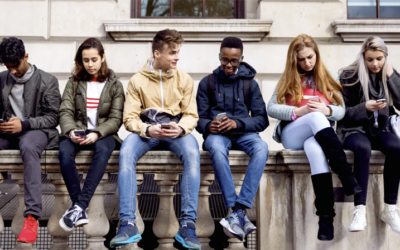
Digital Well-being for Youth
Exploring how young people navigate our increasingly networked world and how we balance safety, empathy, and technology in response.
Exploring Gratitude
It’s hard to ignore the seasonal emphasis on gratitude that surrounds holidays like Thanksgiving, Christmas, and Hannukah. But just what does it mean to be thankful? Download Transcript In this episode we speak with Dr. Bob Duke to discuss the practice of gratitude...
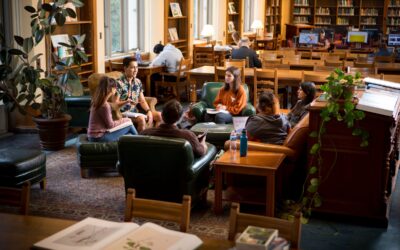
Final Exams and Student Well-being
As final exams approach, UT students and counselors explore community support and self-care as antidotes to heightened stress.

Transforming Young Minds Collectively
Two young changemakers are making a long-term investment in the well-being of their community by empowering youth to engage in civic discourse.