
Launched in 2019, the Communities of Care initiative has been a transformative six-year effort aimed at enhancing mental health and community resilience in the Houston Metropolitan Statistical Area, particularly focused on children, youth, and families from historically excluded communities. The Hogg Foundation funded the initiative, awarding a total of $11.5 million to 11 organizations in support of collaborative approaches to fostering well-being. In 2023, in part to offset the impact of the COVID-19 pandemic, COC was extended for one year with an additional $1.35 million awarded to the 11 organizations.
Ten nonprofit organizations received $800,000 each to serve as fiscal sponsors and partners in multi-member collaboratives in the Houston area. Each collaborative was made up of a network of partners and community members working together to address a wide range of needs related to resilience, mental health, and well-being in their unique community.
An eleventh organization, Prevention Institute (PI), received funding to coordinate and provide technical assistance to the various collaboratives. PI is a nonprofit that works at the federal, state, local, and organizational level to ensure that the places where all people live, work, play, and learn foster health, safety and well-being.
PI, with a team based in Houston, brought extensive knowledge in community and agency planning, as well as deep roots in the Greater Houston area, that complimented the Hogg Foundation’s long-standing commitment to children, youth, and families. In addition to coordinating technical assistance and training for grantee partners, PI’s role was bringing these ten collaboratives together on a regular basis to create a “learning community” where they could learn from each other and develop longer term relationships across communities.
As COC nears its conclusion, Vicky Coffee, director of foundation initiatives at the Hogg Foundation, and Sheila Savannah, managing director of Prevention Institute, share their insights on funding and supporting this innovative and promising approach to enhancing mental well-being in communities.
Why Collaboratives?
After many years of funding organizations individually, we saw that they often worked in isolated “silos” without substantial community-level engagement. The purpose of the Communities of Care initiative was to support organizations who understood and valued working collaboratively with the broader community, families, and youth in particular. Collaboratives worked from a community-centered perspective, prioritizing shared leadership, knowledge sharing, and sustained engagement to encourage a better overall understanding of the community’s strengths and needs.
Center Community
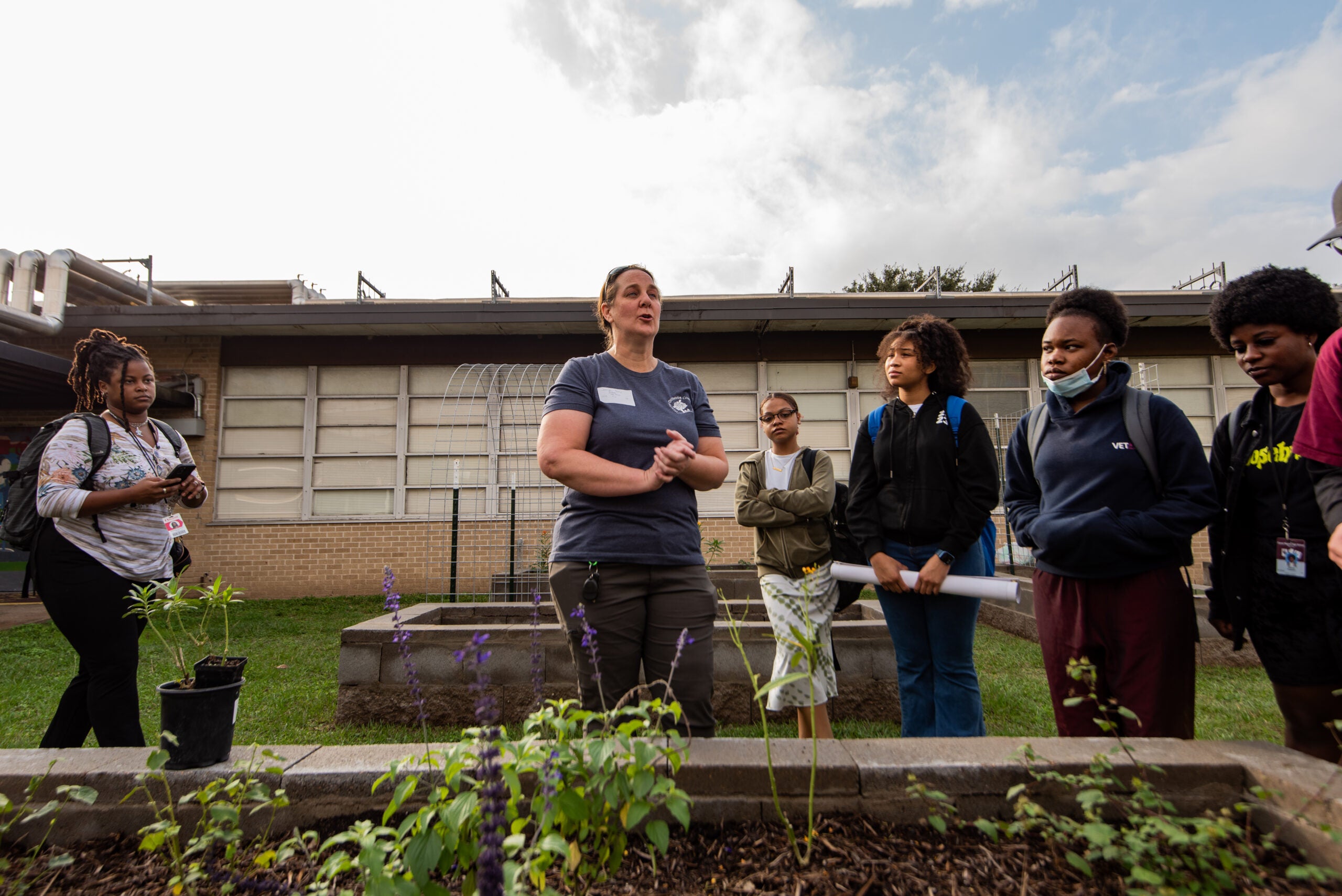
Centering community was our highest priority.
We had faith that our grantee partners were committed to hearing from the community, especially from youth and families, to learn what mental wellness looked like in their unique communities and what was missing.
Our collective focus was on developing leaders from within the community. Each collaborative partner listened and shared space in the community to better understand their role in supporting and enhancing emerging leaders.
As a community youth and residents recognized their strengths and began to address their local issues, technical support and connection to resources accelerated their efforts.
Seeing this momentum, we provided space and opportunities for grantee partners to come together, visit, and learn from each other’s successes as well as each other’s challenges. And we all committed to being learners together: the Hogg Foundation, Prevention Institute, and the grantee partners.
Share the Knowledge
Building relationships is essential to building community investment in the work of collaboratives.
We learned the importance of funders and coordinators leading by example and modeling trust, mutual respect and partnership. These are necessary elements in establishing relationships in communities where new voices are being elevated and new leaders are emerging. Also key is the opportunity for shared learning with mutual benefits. It’s important to share what’s being discovered and planned with all collaborative partners, especially community members, youth, and families. Give back the data, evaluation, or information. Shared knowledge allows communities to gain a deeper understanding of the issues at hand, and the opportunity to contribute in ways that are meaningful.
Honor People’s Time
Investing in the community also means honoring people’s time.
When people offer their time and expertise to support their community, they should be supported and compensated. In addition, background information is needed prior to meetings to support full participation and informed decision making. Effective examples we saw in Communities of Care included scheduling meetings that consider work schedules; offering meals, childcare, transportation or translation services; and giving honoraria or stipends.
We also learned that in many ways collaboration is an opportunity to discover untapped talent and make use of community members’ unique skills and abilities. It really opens up possibilities when you ask, “What are your hopes and dreams for your community? What does wellness look like? And how would you like to contribute alongside our partners? Who do you think is missing and how do we engage them?”
Fiscal Sponsors Aren’t Just Fiduciaries. They’re Engaged Partners
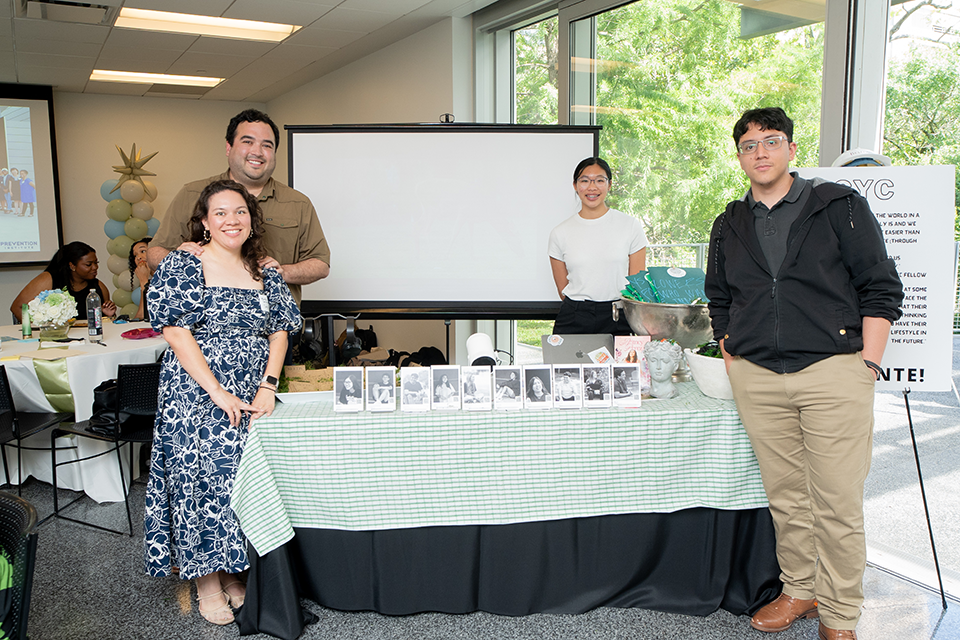
We learned it was essential that the fiscal sponsor understands their fiduciary role at the very outset of establishing a collaborative. The strongest examples were embedded as trusted partners, that offered support and guidance on how the collaborative’s vision and selected strategies could be accomplished using best fiscal practices in a smooth and timely manner. This was key in maintaining momentum and effective implementation. These shifts in awareness and changes in relationships show promise for making long-term impact in these communities.
Be Creative in Assessment
Communities of Care included a team of evaluators with different areas of expertise in community evaluation. Through the COC initiatives, collaboratives learned various methods for documenting and measuring progress based on the priorities that were most important to the community
Each of the collaboratives compiled a Report to the Community and published a Profile to share their stories, their learnings, and their challenges. This shows how creative assessment can be, especially when designed in partnership with community members. Surveys and data collection during, and Photovoice, essay competitions and murals were creative tools used by collaboratives to gather opinions and build excitement around community well-being. Most importantly, collaboratives, including community members, youth, and families, decided what they wanted to measure and what mattered to them. And it looked different in every community.
Moving Forward
Communities of Care has been a truly valuable learning experience for the Hogg Foundation, Prevention Institute, and the collaboratives.
As we move forward, the foundation will continue to show up in communities with the spirit of collaboration and listening to learn. We’ll prioritize asking questions that matter to everyone involved: “What does wellness look like for your community? What works here? What’s different and needed to support your community?” We’ll also encourage community members to talk to their neighbors and young people to find out what matters and how they can work together to build healthier communities.
For Potential Funders: Be Patient
We encourage potential funders and coordinators who are considering collaborative models to make the investment.
But also, be patient. Don’t rush it. Allow communities time. Understand that approaches like the COC initiative require a multi-year commitment. Invest at least a year to hear multiple perspectives and broad community input, especially from those who may not have had a seat at the table. Take a back seat, listen deeply, and allow their vision to naturally emerge.
It’s also important that we continue to encourage communities to be flexible, creative, and transparent about their mistakes and challenges. While it’s important to learn about what worked well, it’s also important to share when things don’t go as planned. When working to support systems transformation and creating something new and better, we must learn from mistakes and challenge ourselves to think differently.
This is something best achieved in collaboration, with ears prepared to listen and readiness to take action based on what is learned in partnership with communities that care.
Communities of Care: Enhancing Mental Health and Community Resilience
The Communities of Care initiative is achieving milestones in collaborative work, setting out an agenda to enhance mental health, community resilience, and sustainability within the Greater Houston area.
Some More Good News in Public Policy
Hogg Foundation Podcast · Episode 147: Some More Good News in Public Policy In addition to supporting our grantee partners’ community programs, the Hogg Foundation also encourages their efforts to build capacity in state and local policy engagement. Recently, Hogg...

Children in 2021
How are children are faring during the pandemic from the point of view of two Hogg Foundation grantees.

Youth Leadership
February is Youth Leadership Month. In this episode of our Into the Fold podcast, we talk with three young people who are change-makers in their communities.
Engagement Report 2019
The foundation’s all-digital Engagement Report 2019 is now available! Highlights include: major initiatives, recent grantee success stories, and more.